




By PENJANINZIMA
BY ALL measures, okra is one of Zambia’s quiet success stories — a crop that thriveswhere many vegetables fail. Yet even this hardy favourite demands smartmanagement when the rains arrive.
When the rainy season sets in across Zambia, many vegetable farmers brace themselves for disease out breaks, flooded fields and rising production costs. Tomatoes often dominate these conversations.
But tucked quietly among the ridges is okra —resilient, heat-loving and surprisingly forgiving. Agronomists agree: okra iseasier to manage than most vegetables during the rains. Still, “easier” does not mean effortless.
Excessive rainfall can cause water logging, trigger fungal diseases and reduce market quality if farmers neglect key managementpractices. A journalist’s walk through okra fields in Lusaka, Central andEastern provinces reveals a clear truth: farmers who plan well harvest consistently, even in heavy rains.
Choosing the Right Variety: The First Line of Defence
Successful rainy-season okra production begins withvariety selection. Zambian consumers prefer pods that are deep green, tenderand uniform — traits that also matter for market pricing.
The most widely grown variety remains ClemsonSpineless, an open-pollinated variety trusted by farmers for its earlymaturity, reliability and broad market acceptance. It performs well underrain-fed conditions when managed properly.
Hybrid varieties such as Musanda F1 and Kotulo F1 aregaining popularity, particularly among commercial growers. These hybrids offerhigher yields and better resistance to viral diseases like Yellow Vein Mosaic,which often spreads rapidly in humid conditions through aphids and whiteflies.
Local landraces, though less uniform, should not bedismissed. Many are naturally adapted to local pests and climatic stress,making them useful for smallholders, albeit with shorter harvesting windows.
Land Preparation: Keeping Roots Dry in a Wet Season
Agricultural officers consistently stress oneprinciple: okra hates wet feet. Prolonged waterlogging leads to root rot andpoor plant vigour.
The solution lies in raised beds or ridges, ideally15–20 cm high. This simple technique allows excess rainwater to drain away fromthe stem, reducing disease pressure.
Spacing also matters more in the rainy season thanduring dry months. Farmers are advised to plant 60 cm between rows and 30–45 cmbetween plants. Wider spacing improves air circulation, helping leaves dryfaster after storms — a natural defence against fungal infections.
Unlike tomatoes, okra does not tolerate transplantingwell. Direct seeding is recommended, planting seeds about 2 cm deep. To improvegermination speed and uniformity, soaking seeds in water for 24 hours before planting has proven effective.
Feeding Without Overfeeding.
BalancedNutrition Is Key
Okra is a heavy feeder, but excessive nitrogen can becounterproductive. Over-fertilisation leads to lush leaves at the expense ofpod formation — a common mistake during the rainy season when nutrients leachquickly.
At planting, farmers apply Compound D, roughly 10grams per planting station, to support early growth. Top dressing with Urea orCAN follows three to four weeks after germination, once plants are established.
As flowering begins, potassium becomes critical.Applying Muriate of Potash (MOP) or a high-potassium foliar feed strengthenspods, improves firmness and enhances market quality especially important for traders supplyingurban markets.
Pests andDiseases: The Rainy Season Test
Humidity brings pests and diseases that can quicklyderail production if left unchecked.
Aphids and whiteflies are the most common insectthreats. Beyond sap-sucking damage, they spread viral diseases. Targetedcontrol using Imidacloprid or Acetamiprid helps protect young plants.
Bollworms and caterpillars pose another challenge,boring into pods and rendering them unmarketable. Farmers commonly useCypermethrin or Indoxacarb, rotating chemicals to prevent resistance.
On the disease front, powdery mildew is widespreadduring the rains, appearing as a white, flour-like coating on leaves.Sulfur-based fungicides or Copper Oxychloride remain effective when appliedearly.
Damping-off, especially at the seedling stage, signalspoor drainage rather than chemical failure. Well-prepared raised beds remainthe most effective preventive measure.
Harvesting:Where Profit Is Won or Lost
If there is one practice that defines okra success, itis harvesting discipline. In Zambia’s warm, wet conditions, okra grows fast —sometimes too fast for inattentive farmers.
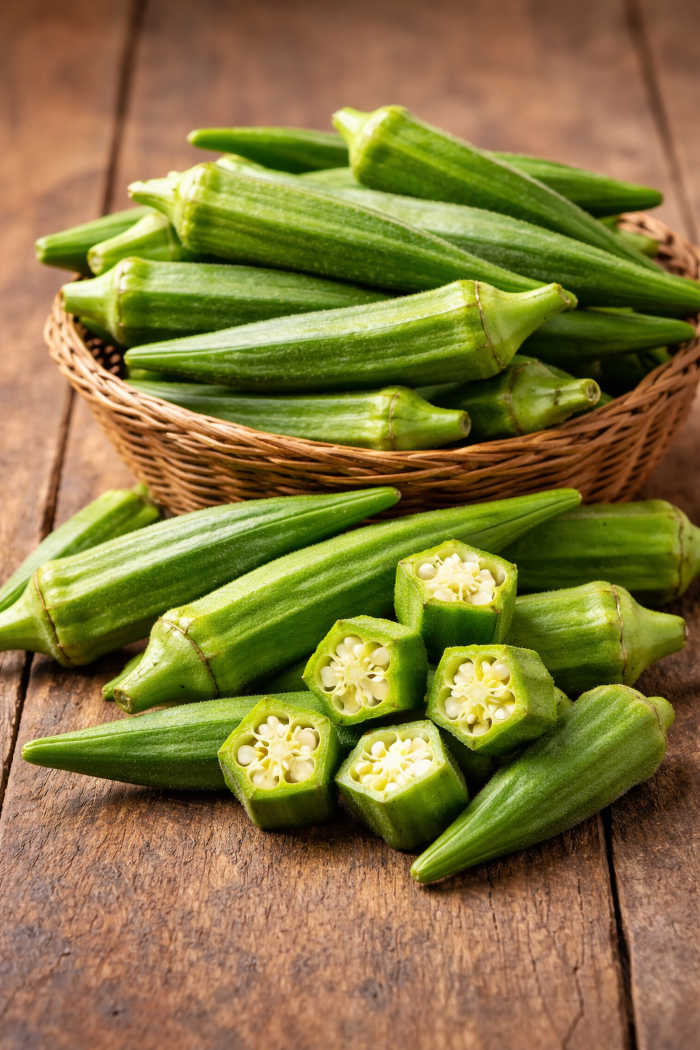
Pods must be harvested every two to three days.Delayed harvesting results in fibrous, woody pods that consumers reject. Theideal pod length is 8–10 cm, when tenderness and flavour peak.
Harvesting should be done using a knife or shears.Pulling pods by hand risks snapping the brittle stems. Farmers are also advisedto wear gloves and long sleeves, as the fine hairs on okra plants can irritatethe skin.
A ReliableCrop for the Rainy Season
In a time when climate variability is reshapingfarming decisions, okra stands out as a dependable rainy-season crop forZambia. Its tolerance to heat, ability to recover quickly after storms andsteady market demand make it a strategic choice for both smallholders andcommercial producers.
Yet the lesson from the field is clear: resiliencedoes not replace management. With the right varieties, proper drainage,balanced nutrition and disciplined harvesting, okra can turn Zambia’s rainyseason from a risk into a reliable source of income.

Woodgate House
Suit 208-209
Cairo Road Lusaka Zambia,
Email: agricoopnews@yahoo.com
Cell: 0955 791 676


.png)