

.jpg)
By Staff Reporter
BOLOGNA, Italy — As African countries seek to increase agricultural productivity, expand agro-processing and strengthen food security, attention is turning to the role that modern agricultural machinery and technology could play in transforming the continent’s farming systems.
These issues will come into focus at EIMA International 2026, the global agricultural and gardening machinery exhibition scheduled to take place in Bologna, Italy, from 10 to 14 November.
Organised by FederUnacoma in collaboration with BolognaFiere, the 47th edition of the exhibition is expected to bring together approximately 1,800 companies from 50 countries, showcasing more than 60,000 models of machinery and equipment across 14 product sectors.
For African agriculture, the significance of the exhibition extends beyond the display of tractors and farm equipment. It presents an opportunity to explore technologies that could support mechanisation, improve water management, reduce post-harvest losses and strengthen the links between agricultural production and processing.
The exhibition will feature specialised areas covering digital agriculture, irrigation, machinery components, renewable energy from agricultural and forestry resources, and gardening technologies. These areas reflect the growing role of technology in improving efficiency across different stages of agricultural production.
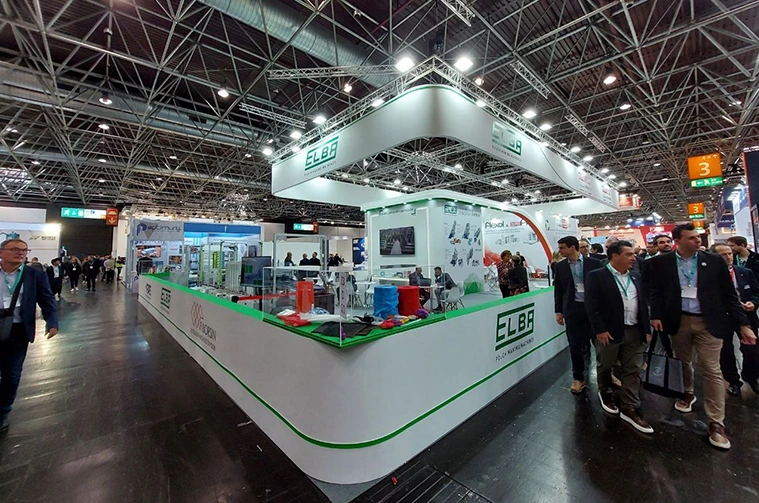
Among the developments attracting attention ahead of the exhibition are innovations in agricultural machinery, digital systems, irrigation management and energy efficiency. EIMA's 2026 Technical Innovations Contest has recognised 19 technical innovations and 35 technical evolution developments, highlighting advances in equipment and agricultural technologies.
However, the question for African markets is not simply what technology is available, but whether it can be made accessible, affordable and commercially viable for local farmers.
High equipment costs, limited access to agricultural finance, shortages of spare parts and maintenance services, and inadequate technical training remain important considerations when introducing mechanisation into different farming systems.
These challenges also present opportunities for collaboration between international manufacturers and African businesses, including equipment distributors, machinery-hire operators, irrigation companies, agro-processors and agricultural service providers.
For Zambia, where agricultural development requires stronger links between production, value addition, investment and markets, access to appropriate technology could help businesses improve productivity and move beyond primary production towards more commercially sustainable operations.
Mechanisation does not necessarily mean that every farmer needs to own a tractor or expensive equipment. Shared machinery services, equipment leasing and pay-per-use models could provide alternative ways for smallholder farmers and emerging agribusinesses to access technology without bearing the full cost of ownership.
For manufacturers seeking to expand into African markets, understanding local farming conditions, financing arrangements, infrastructure and after-sales service requirements will be essential to building lasting commercial relationships.
The opportunity, therefore, lies not only in importing machinery, but also in developing the supporting businesses and services that make agricultural technology practical and sustainable.
For African agribusinesses, EIMA International 2026 provides an opportunity to examine global developments in agricultural technology and consider how these innovations could support the continent's farming and food production systems.
As Zambia and other African countries seek to strengthen agricultural productivity, mechanisation, agro-processing and investment, the exhibition offers a useful reference point for understanding emerging technologies and potential business opportunities.
The broader question remains how such innovations can be adapted to African conditions, made accessible to farmers and translated into commercially viable solutions.
Ultimately, the value of agricultural technology will not be measured by how advanced the machinery is, but by its ability to help farmers produce more efficiently, reduce costs and build sustainable agribusinesses.

Woodgate House
Suit 208-209
Cairo Road Lusaka Zambia,
Email: agricoopnews@yahoo.com
Cell: 0955 791 676


.png)