



By Staff Reporter
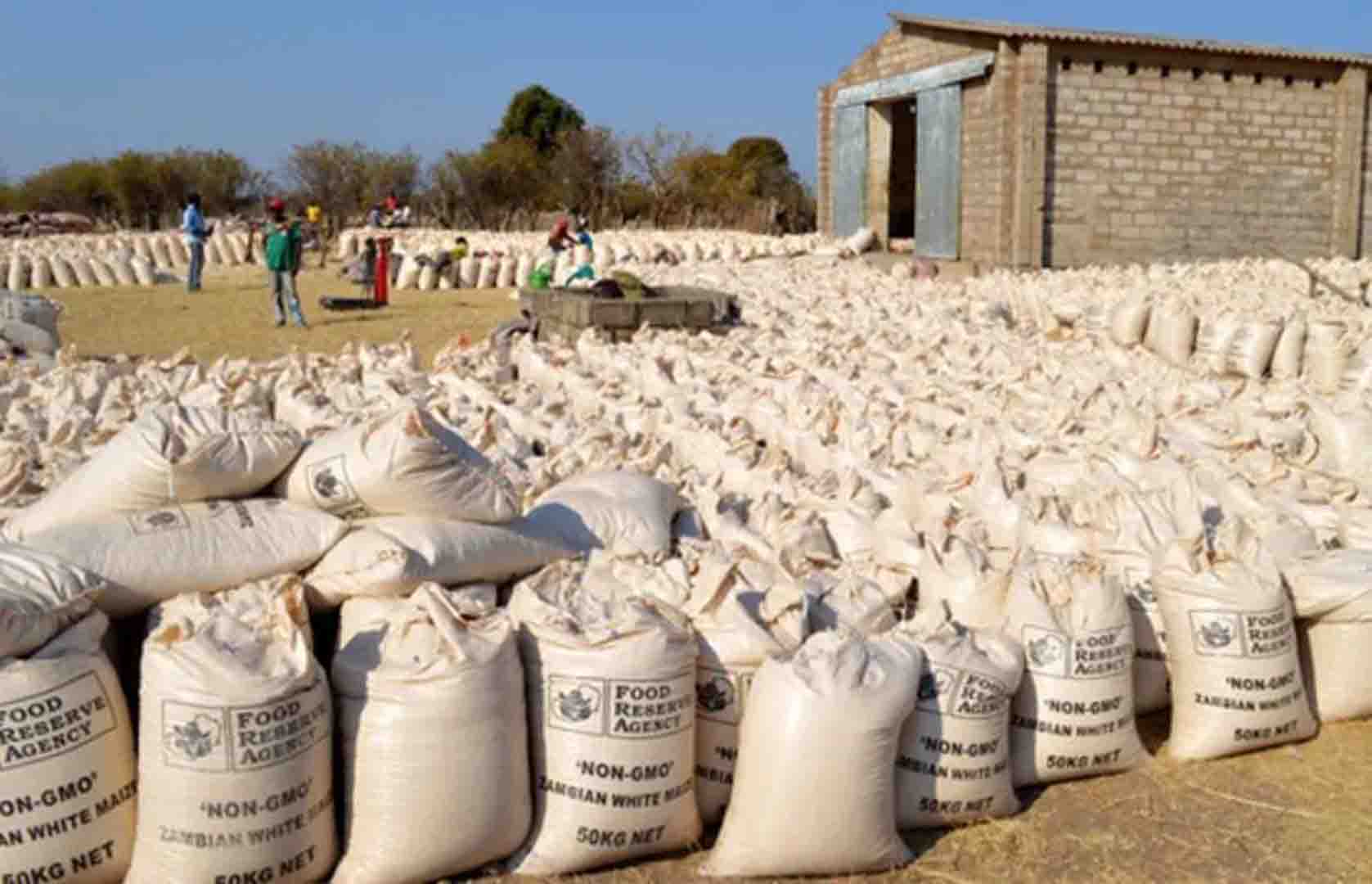
As Zambia records another strong maize harvest, calls are growing for greater participation of the private sector in grain marketing to complement the Food Reserve Agency (FRA) and create a more competitive agricultural market.
While the FRA remains an important institution in safeguarding national food security and maintaining strategic grain reserves, industry stakeholders believe private grain buyers have an equally important role to play in improving market efficiency and expanding opportunities for farmers.
Private buyers—including millers, commodity traders, processors, exporters, and warehouse operators—often provide farmers with additional marketing options, helping reduce dependence on a single buyer. Increased competition among buyers can also encourage more efficient grain movement and improve price discovery across different regions.
Agricultural economists argue that a balanced grain marketing system, where both government and private companies actively participate, can strengthen the entire value chain. While the FRA focuses on strategic reserves and supporting national food security, private companies can respond more quickly to market demand, invest in storage facilities, and develop export markets for surplus grain.
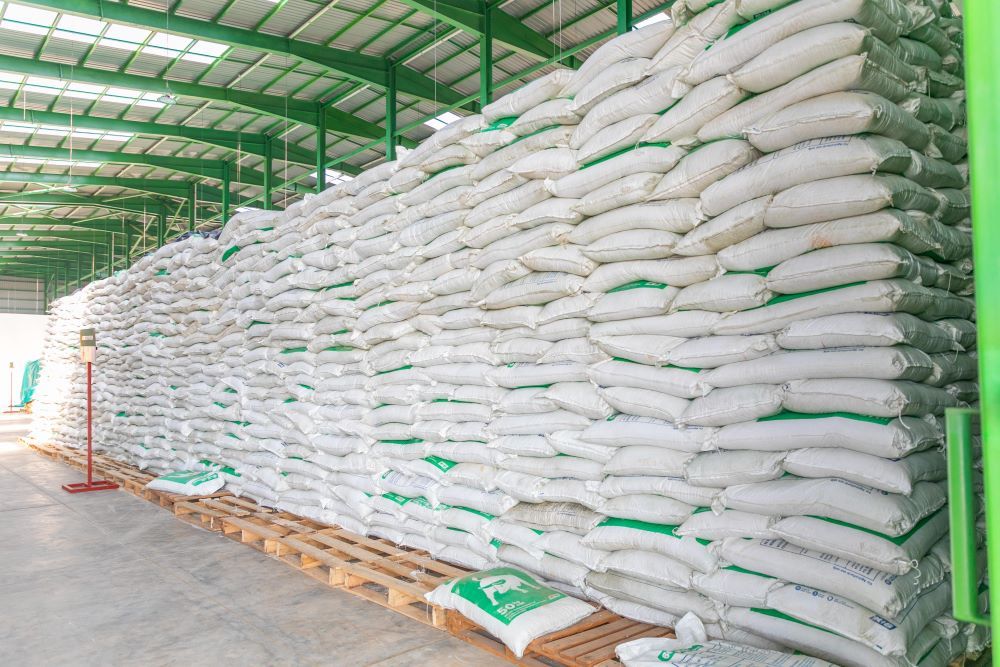
The expansion of warehouse receipt systems and commodity exchanges such as the Zambia Agricultural Commodities Exchange (ZAMACE) is also expected to improve transparency in grain trading. These platforms allow farmers to store grain safely, access financing using warehouse receipts, and sell when market conditions are more favourable instead of immediately after harvest when prices are often at their lowest.
.jpg)
However, experts note that for private grain marketing to thrive, several challenges must still be addressed. These include improving rural road infrastructure, expanding access to quality storage facilities, reducing post-harvest losses, and ensuring timely access to market information for farmers.
There are also calls for greater collaboration between government institutions, financial institutions, grain traders, and farmer cooperatives to develop structured marketing systems that benefit both producers and buyers.
For many small-scale farmers, having multiple reliable buyers could translate into quicker payments, reduced transport costs, and stronger bargaining power.
As Zambia continues positioning itself as a regional food basket, strengthening private-sector participation alongside government procurement could help build a more resilient, competitive, and market-driven grain industry that benefits farmers, agribusinesses, and consumers alike.
Agricoop Insight:
A successful grain market is not about replacing government procurement but creating an ecosystem where public institutions provide stability while private enterprise drives efficiency, innovation, investment, and expanded market access. Such a balance can help transform Zambia's grain sector into one of the most competitive in Southern Africa.

Woodgate House
Suit 208-209
Cairo Road Lusaka Zambia,
Email: agricoopnews@yahoo.com
Cell: 0955 791 676


.png)