



BY MERCY NAMFUKWE
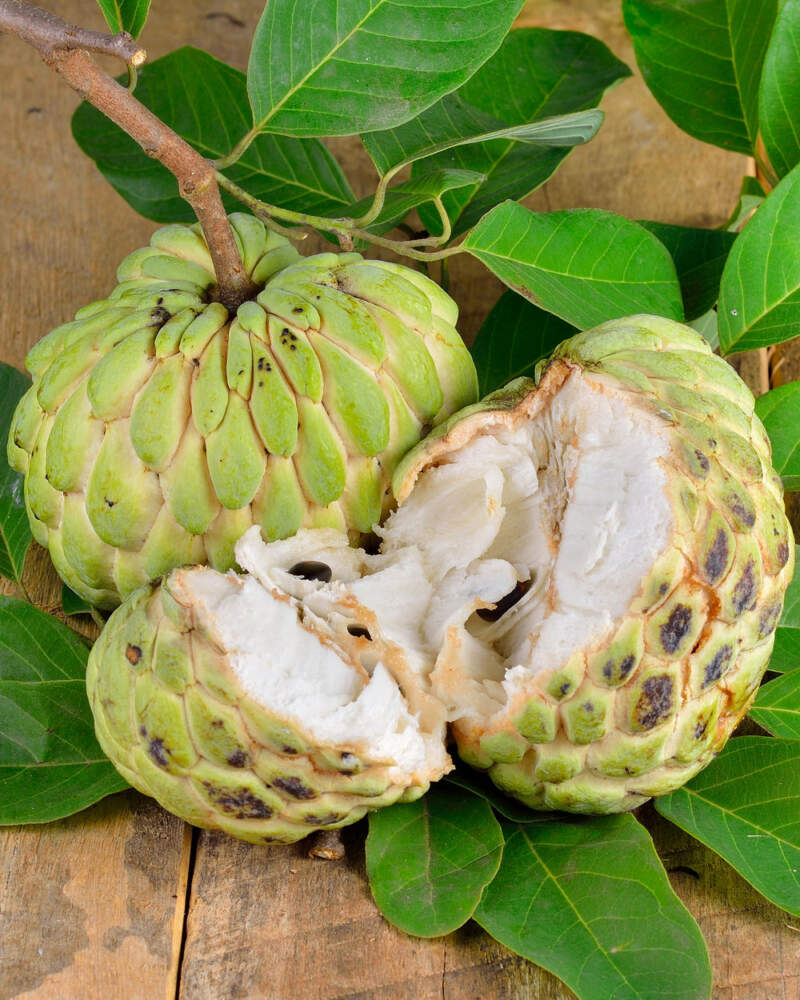
SUGAR apples, also known as Annona squamosa, are tropical fruits cherished for their sweet, custard-like flesh and distinctive taste. Originating from the warmer regions of the world, these fruits have found a thriving home in various African countries, where they are cultivated extensively and hold cultural, nutritional and economic significance.
A Fruit of Tradition and Taste
In many African nations, sugar apples are more than just a delicious treat; they are an integral part of traditional diets and local markets. For instance, in Ghana, farmers have cultivated sugar apples for generations. As Kwame, a local farmer from the Volta Region, explains, “Sugar apples are not just fruits; they are part of our heritage. We grow them with pride and they bring joy to our communities.”
The cultivation process is relatively straightforward, making it accessible for small-scale farmers. The trees thrive in tropical climates with well-drained soils and require minimal inputs once established. Their resilience and high yield make them a popular choice among farmers seeking to diversify their crops.
Economic and Nutritional Value
The demand for sugar apples is steadily increasing, both domestically and internationally. They are often sold fresh at local markets, providing a vital source of income for farmers. The fruit is rich in vitamins, especially vitamin C and contains dietary fiber, which promotes good digestion and overall health.
Full article in the March 2026 issue https://www.agricoopnews.com/e-publications

Woodgate House
Suit 208-209
Cairo Road Lusaka Zambia,
Email: agricoopnews@yahoo.com
Cell: 0955 791 676


.png)

.jpeg)