



Value Addition, Processing and the Future of Zambia’sFarms
BY MERCY NAMFUKWE
ZAMBIA'S agricultural landscape is evolving. Smallholder farmers are increasingly realizing that producing crops is just the first step. The real economic potential lies in value addition, processing and manufacturing, which transform raw produce into market-ready products. Christine Daka Ndapisha, Chairperson of Umbrella Multipurpose Cooperative, has been leading the charge in turning local crops into profitable and sustainable business opportunities.
From Farm to Market: The Power of Value Addition
From maize alone, you can cook a meal, make flour and even chop it into samples. Nothing goes to waste. The same goes for cassava: the leaves can be cooked as relish, and the roots can be roasted, dried, or milled into flour for later use. Even during droughts, cassava thrives when maize may fail, ensuring that no one goes hungry,” she said.
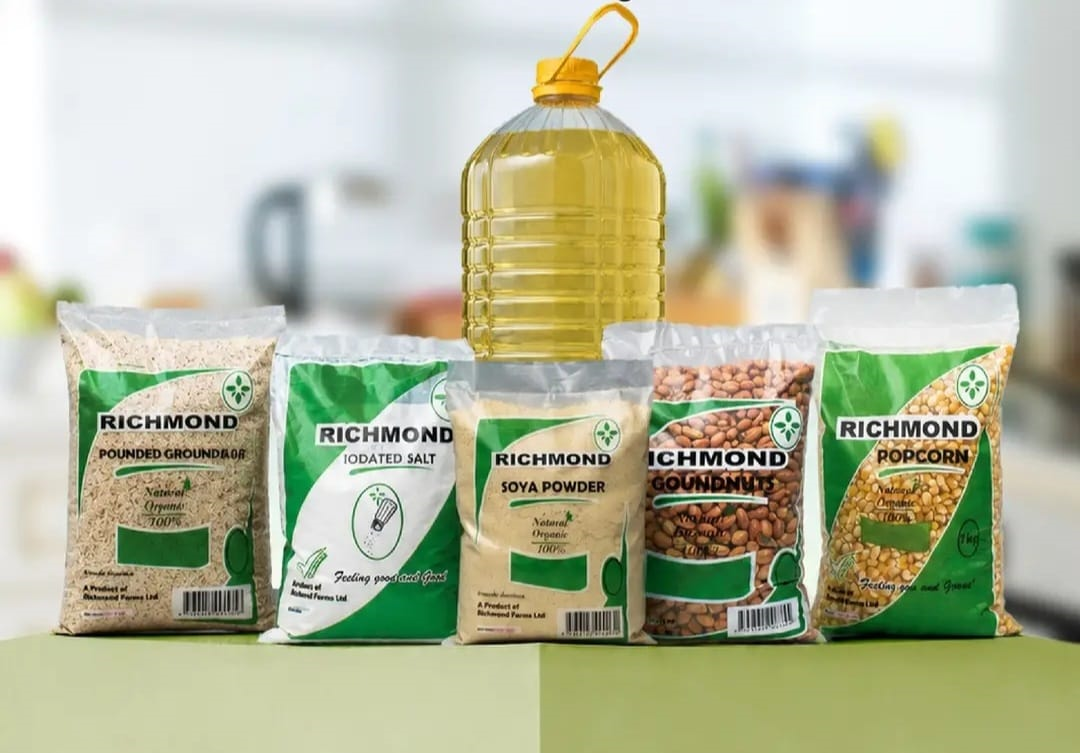
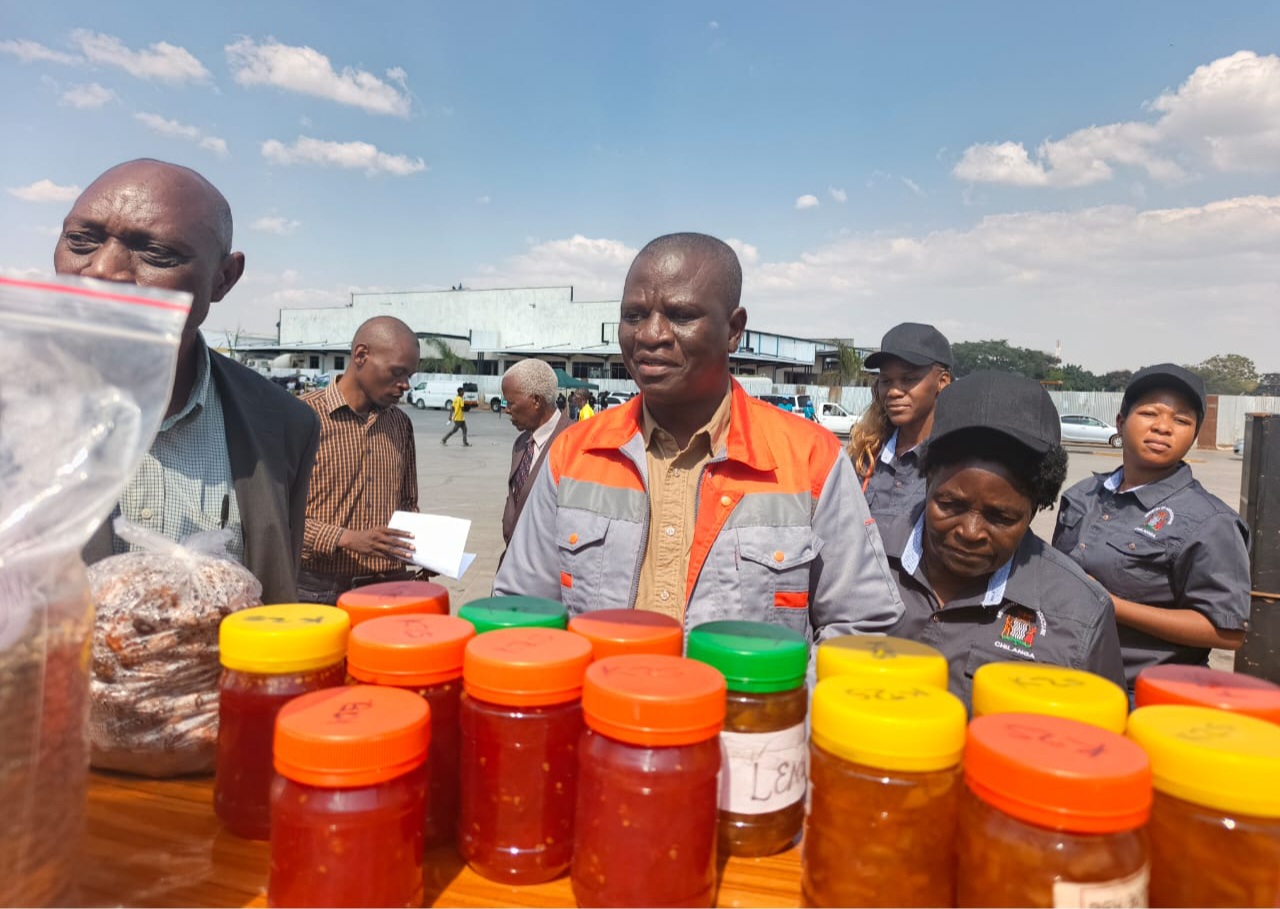
Value addition is more than just food preparation. It increases the shelf-life of products, enhances nutritional value, and makes agricultural produce more appealing to consumers. Groundnuts, for instance, can be processed into peanut butter—a product that is both nutritious and commercially viable. “When you add value,” Christine notes, “it attracts customers. Good packaging and presentation help buyers locate us, place bigger orders, and eventually consider exporting our products.”
Processing and Manufacturing: Turning Crops into Products
Processing involves cleaning, drying, milling or cooking raw agricultural produce to make it safe and suitable for consumption or further use. Christine emphasizes the importance of proper preservation: “We make sure everything is dried well. Maize, beans, cassava—all need careful storage to prevent rot and loss. Preservation is key to maintaining quality and supply.”
Read more in the July 2026 Issue https://www.agricoopnews.com/e-publications


Woodgate House
Suit 208-209
Cairo Road Lusaka Zambia,
Email: agricoopnews@yahoo.com
Cell: 0955 791 676


.png)

.jpeg)