



BY MERCY NAMFUKWE
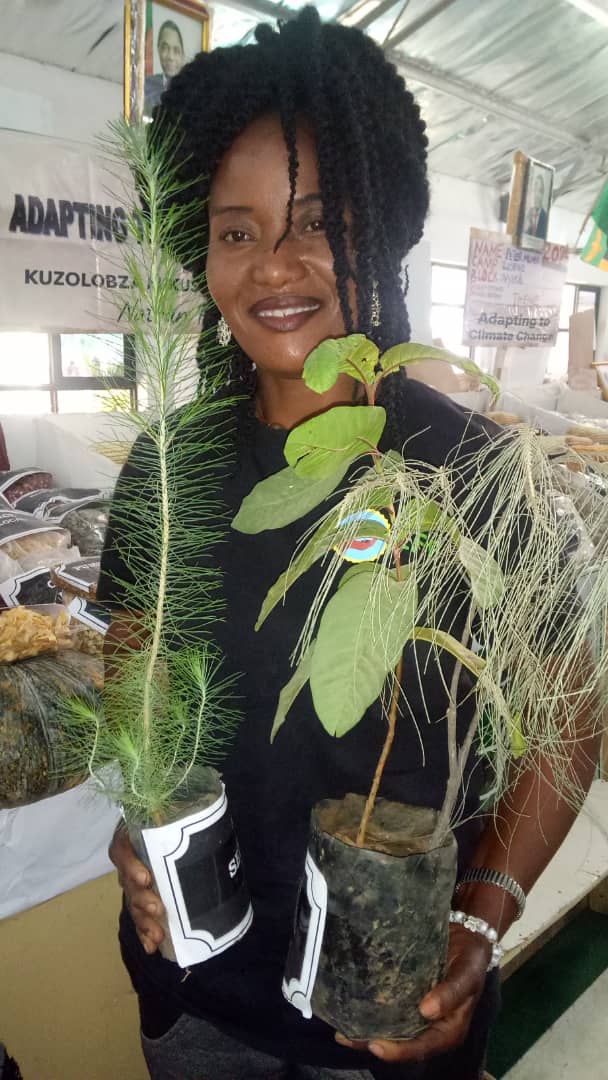
IMAGINE a continent where lush green forests blanketvast landscapes, restoring the beauty of nature and supporting vibrantecosystems. Picture communities flourishing a midst thriving forests, where theair is pure, waters are clean, and wildlife roams freely. This vision of agreener Africa is not just an idealistic dream but an achievable reality—onethat depends on our collective commitment to afforestation.
In recent decades, Africa has faced significantenvironmental challenges, including rapid deforestation, desertification,climate change, and land degradation. These issues threaten the very foundationof sustainable development and jeopardize the livelihoods of millions. However,through strategic efforts to plant trees, restore degraded lands, and conserveexisting forests, Africa can turn this crisis into an opportunity for renewaland resilience.
The Transformative Power of Trees
Trees are often called the "lungs of theEarth," and rightly so. They play a crucial role in maintaining ecologicalbalance. Trees absorb carbon dioxide,a greenhouse gas reducing the impact ofclimate change. They also produce oxygen, support biodiversity, and regulatelocal climates.
In Africa, many regions are experiencing thedevastating effects of desertification,where fertile land turns into barrendeserts due to overuse, droughts and deforestation. Afforestation, or plantingtrees in deforested areas, offers a solution to reverse this trend. It helpsprevent soil erosion, enhances water retention, and restores habitats forwildlife and humans alike.
Furthermore, trees provide essential resources such asfruits, medicinal plants, timber, and non-timber forest products. Theseresources support local economies and improve the livelihoods of ruralcommunities. Every tree planted is a step toward creating sustainablecommunities and resilient ecosystems.

Climate Change and Africa’s Vulnerability
Africa is affected by climate change despitecontributing the least to global emissions. Rising temperatures, unpredictablerainfall, frequent droughts and floods threaten food security, water supply andhealth.
Afforestation acts as a natural buffer against theseimpacts. Forests cool the environment by providing shade and releasing moistureinto the air. They increase rainfall through transpiration, which can helpreplenish water sources and sustain agriculture. Additionally, forests act ascarbon sinks, capturing atmospheric carbon and mitigating climate change.
Afforestation projects have shown promise instabilizing climate patterns, reducing desert encroachment and improving localweather conditions. These efforts demonstrate that restoring forests is notjust an environmental necessity but a vital climate adaptation strategy.
Socio-Economic Benefits of Afforestation
Beyond environmental gains, afforestation offerssignificant socio-economic benefits. It creates employment opportunities—fromplanting and nurturing trees to managing forest products. These jobs canalleviate poverty and empower local populations.
Communities gain access to resources such as fruits,medicinal herbs, firewood and timber—supporting livelihoods and improving foodsecurity. For example, agroforestry practices can integrate trees into farmingsystems, increasing crop yields and providing additional income sources.
Communities that lead afforestation initiatives oftendevelop a sense of ownership and responsibility for their environment. Thisfosters sustainable management and long-term conservation efforts. Empoweredcommunities become active agents of change, ensuring that environmentalrestoration aligns with local needs and realities.
Case Study: Cecilia Chilemba’s Initiative
Cecilia Chilemba, a farmer from Chongwe District inLusaka, Zambia, exemplifies grassroots leadership in environmentalconservation. She recognizes that deforestation, particularly driven bycharcoal production poses a severe threat to her community and the environment.
To combat this, Cecilia promotes the collection anduse of maize cobs as an alternative fuel source for cooking. Dried maize cobsburn longer and cleaner, providing a sustainable energy source without cuttingdown trees. She encourages women in her community to adopt this practice, whichnot only conserves forests but also improves air quality and hygiene.
Her initiative highlights how simple, community-drivenactions can make a significant environmental impact. It also demonstrates theimportance of innovative solutions tailored to local contexts.
Addressing Deforestation and Land Degradation
Despite the clear benefits of forests, Africacontinues to lose vast areas of woodland annually due to farming expansion,illegal logging, urbanization and charcoal production. This loss acceleratesclimate change, reduces biodiversity and threatens food and water security.
Combatting this crisis requires multi-facetedstrategies:
Reforestation and afforestationprograms: Restoring degraded lands by planting native trees andestablishing forest corridors.
Sustainable land management: Promotingagroforestry, conservation agriculture and responsible logging.
Policy and enforcement: Strengthening lawsagainst illegal deforestation and providing incentives for sustainablepractices.
Community involvement: Engaging local populationsin decision-making and benefit-sharing.
By restoring forests and managing land sustainably,Africa can recover lost ecosystems, improve resilience, and secure a healthierenvironment for future generations.
The Power of Grassroots Action
Grassroots movements and community participation arethe backbone of successful afforestation initiatives. When local people areinvolved from planning to implementation, projects are more sustainable andimpactful.
For example, women’s groups in Kenya and Ethiopia haveled tree-planting campaigns that have reforested degraded lands, improvedhousehold incomes, and fostered environmental stewardship. These effortsunderscore that empowering communities is essential for long-term conservationsuccess.
Educational campaigns and awareness programs canfurther mobilize citizens, especially youth, to become environmentalambassadors. Schools, religious institutions and local leaders can serve ascatalysts for change, inspiring a culture of conservation.
Strategic Steps Toward a Greener Future
To truly transform Africa’s landscape, coordinatedefforts across multiple sectors are required:
Government commitment: Developing policies that incentivizeafforestation, protect existing forests and integrate environmental goals intonational development plans.
International cooperation: Securing funding andtechnical support from global partners, climate finance mechanisms andconservation organizations.
Private sector engagement: Encouraging investments in sustainable forestry,eco-tourism, and green technologies.
Research and innovation: Leveraging newtechnologies such as satellite monitoring for forest management, and developingdrought-resistant tree species suited to local environments.
A Collective Responsibility
Africa’s environmental future rests on the shouldersof every individual, community, organization, and government. The urgency ofafforestation cannot be overstated, each tree planted is an act of hope,resilience and commitment to a sustainable future.
A Call to Action
The time to act is now. We must embrace afforestationnot only as an environmental priority but as a pathway to social and economicprosperity. It is a moral obligation to protect our natural heritage and ensurethat future generations inherit a continent rich in greenery, biodiversity and vitality.
“Let us unite in this effort by planting trees,empowering communities, and advocating for policies that sustain ourenvironment. Together, we can turn the page and write a new chapter ,one rootedin green growth, resilience, and hope for Africa’s future,’’ she concluded

Woodgate House
Suit 208-209
Cairo Road Lusaka Zambia,
Email: agricoopnews@yahoo.com
Cell: 0955 791 676


.png)


.jpeg)