


By Misheck Nyirongo
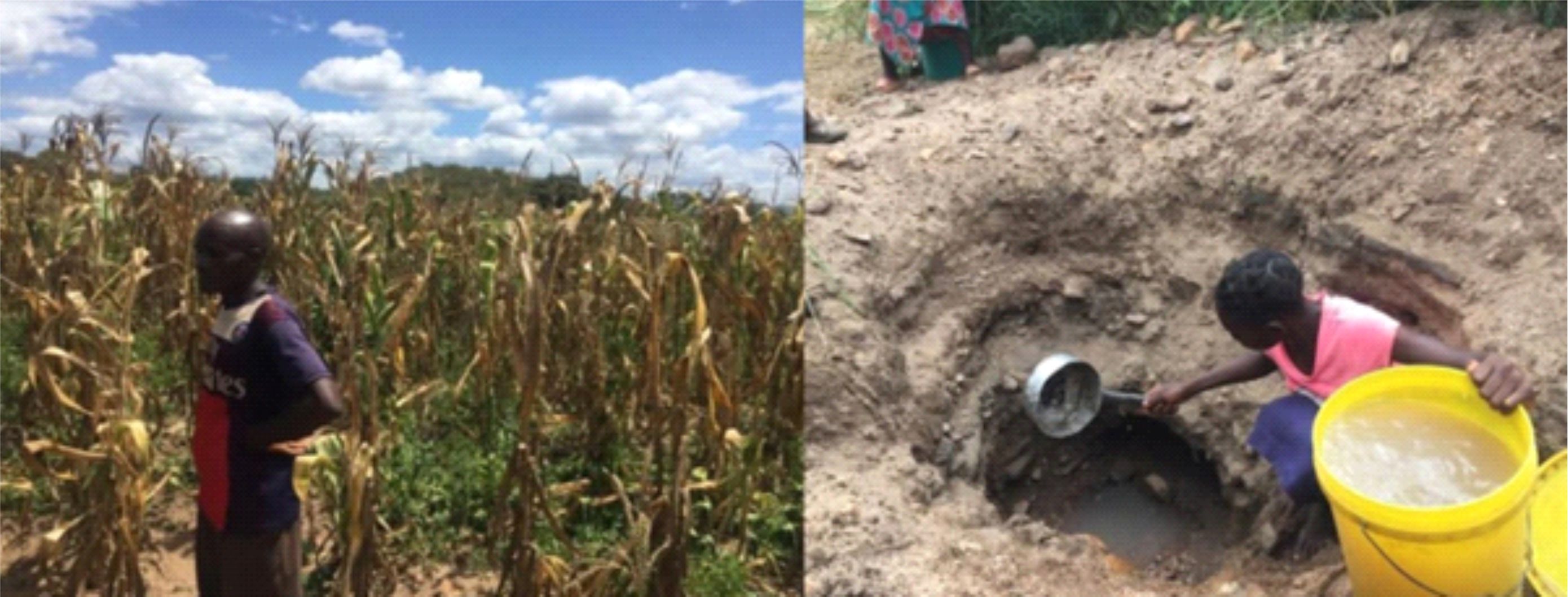
In the parched fields of Nyalungwe Chiefdom, theonce-lush crops now withered away, leaving families with nothing but hunger anddespair. The 2023-2024 drought has ravaged the rural communities in NyimbaDistrict, Eastern province, causing widespread hunger, loss of livelihoods, andacute water shortages.
FIAN International-Zambia warns that the situationconstitutes serious violations of human rights and undermines Zambia'sobligations under international and national law. The organization is callingfor urgent action to address the crisis and provide climate compensation.
According to a press statement dated 20th November2025, FIAN International-Zambia is calling for urgent action to address the crisis. Between December 2023and March 2024, FIAN Zambia documented the experiences of 700 households across 21villages are among the hardest hit, with families eating only one meal a day and children missing school due to water scarcity.
FIAN International - Zambia has released new findings showing that the 2023–2024 drought caused grave violations of the right to rood and rutrition and other fundamental rights for rural communities in Nyimba District, one of the areas hardest hit by the national disaster.
"The drought destroyed crops across roughly 700 hectares, leaving most families eating only one meal a day," says Vladimir Chilinya, Country Coordinator for FIAN International - Zambia. "With the failure of wild fruits and forest foods, households had no fall back food sources. Rising food prices and limited access to subsidized maize meal intensified the crisis."
The situation on the ground is dire. Wells have dried up, forcing women and children to walk long distances to fetch water from open and unsafe sources. "We've seen children miss school due to long queues for water," says Chilinya.
"Smallholder farmers in Nyimba lost an estimated ZMW 4 million worth of crops, seeds, and inputs. Families resorted to selling livestock and household assets to survive, compromising long-term recovery and increasing poverty."
FIAN International - Zambia stresses that policy gaps, including weak early warning systems, dependence on maize, and limited crop diversity in National programmes such as the Farmer Input Support Programme (FISP) worsened the crisis.

Woodgate House
Suit 208-209
Cairo Road Lusaka Zambia,
Email: agricoopnews@yahoo.com
Cell: 0955 791 676


.png)


.jpeg)