



How Mixed Farming Drives Growth
By MERCY NAMFUKWE
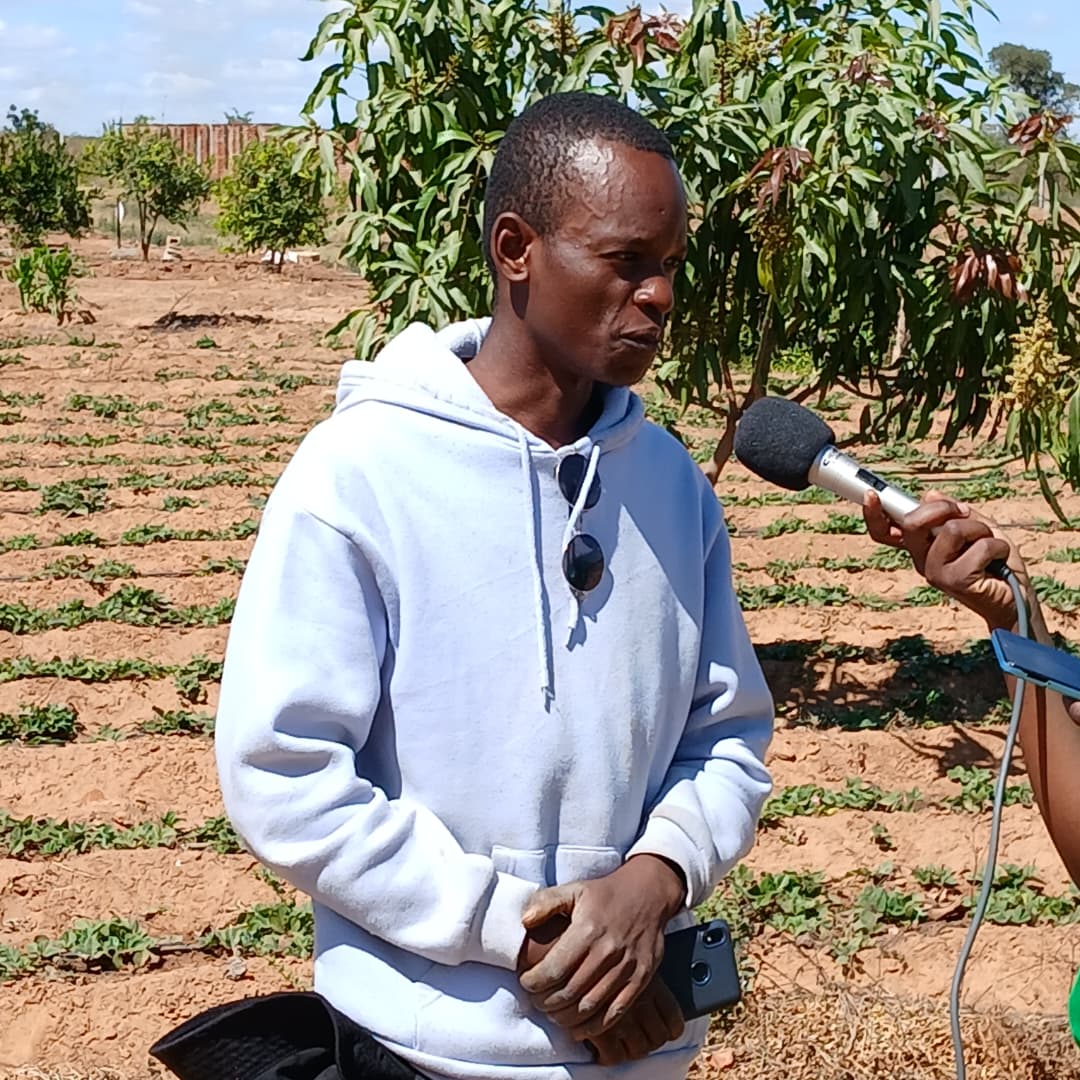
MEET Nkwachi Fitzgerald Musukwa, popularly known as “The Crazy Farmer.” He was born inChingola, Copperbelt Province, Zambia. His educational background began atChingola Primary School and continued at Kabundi Secondary School. He earned a Diploma in Agribusiness Management from Zambia Cooperative College (affiliated with Mulungushi University) and a Diploma in Marketing Management from anIndian technical institute.
He explained thatgrowing up, he spent about 30% of his childhood on his grandparents’ farm,soaking up farming practices. Farming wasn’t a choice for him; it was in hisblood. The motivation to go full-time came from the challenges he faced on hisfarm, such as gaps in information, marketing, seed selection, water management,and record-keeping. This prompted him to help fellow farmers address theseissues, leading him to pursue college to learn more and share knowledge.
“When I firststarted, the journey was full of downs and a few ups. I began from scratch,partnering with people who had resources. There were months of working withoutincome or sales until I crafted a proper strategy, plan, and projections thatturned things around,” he said.
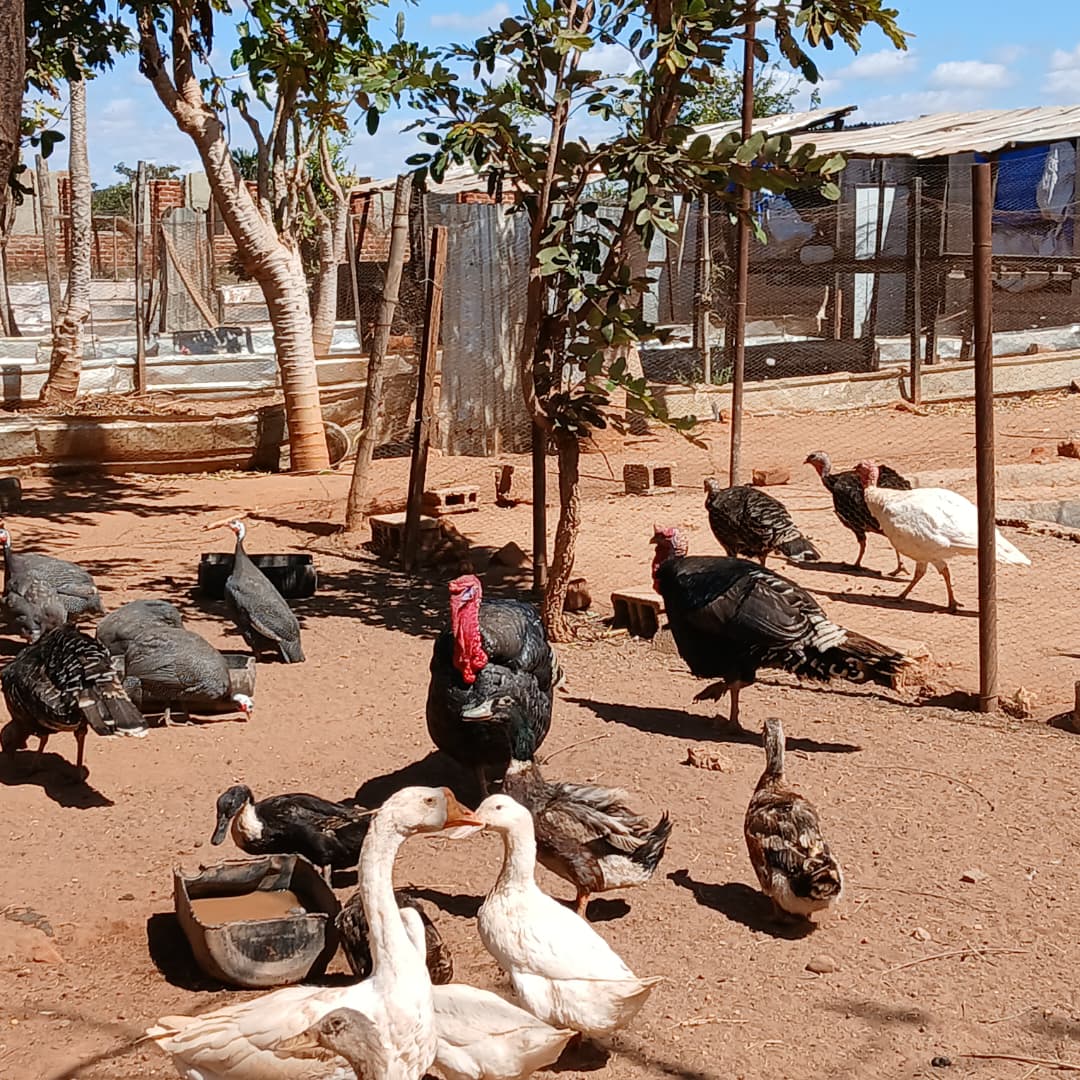
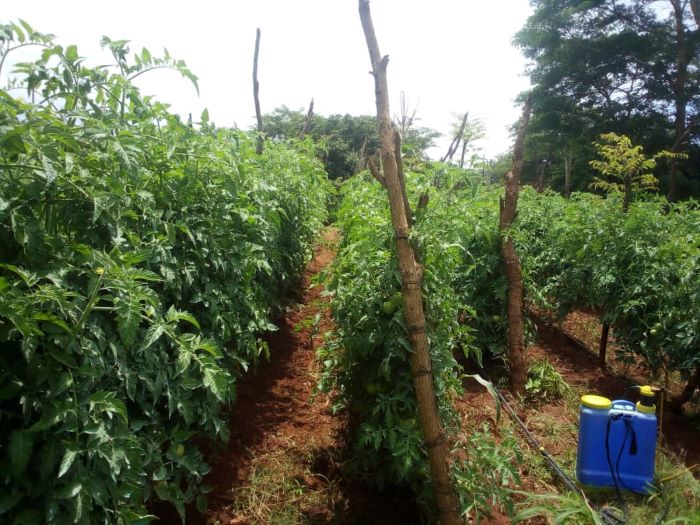
He added that on hisfarm, he focuses on growing crops such as maize, tomatoes, and cabbages. Healso keeps livestock like chickens and ducks/geese. His decision to ventureinto this type of farming was driven by the market demand and how well it fitshis setup. His farm is a 10-hectare mixed operation in Chongwe District,Lusaka, combining crop and animal production.
Furthermore,Musukwa’s typical day starts early with checking crops and feeding livestock,followed by weeding, spraying, and maintenance. Afternoons are dedicated torecord-keeping, planning, and market research. Evenings involve monitoring thefarm and preparing for the next day.
“I also incorporatenew technology by researching online agricultural training, testing dripirrigation, and organic pesticides on a small scale before full implementation.I also network with other farmers to share experiences,” Mr. Musukwa said.
Despite sharingknowledge with other farmers, Musukwa mentioned the biggest challenges hefaces, including limited capital, market access, and unpredictable weatherpatterns. One strategy he uses to overcome these challenges is budgetingwisely, building relationships with buyers and adopting climate-smartagriculture practices like rainwater harvesting.
Interestingly, one ofhis proudest achievements is launching the “Nkwachi Movement” trainingprograms, which have helped dozens of farmers improve their yields, marketingand incomes.
“I sell productsdirectly to local markets and use online platforms for consultancy bookings.The strategies that work best are value addition (e.g.,packaging) and timelymarket information,” he said.
He also collaborateswith cooperatives and fellow farmers to share resources and knowledge, helpingto improve their collective businesses. His farming activities contribute tothe local community by providing jobs, training, and affordable produce, therebystimulating the economy.
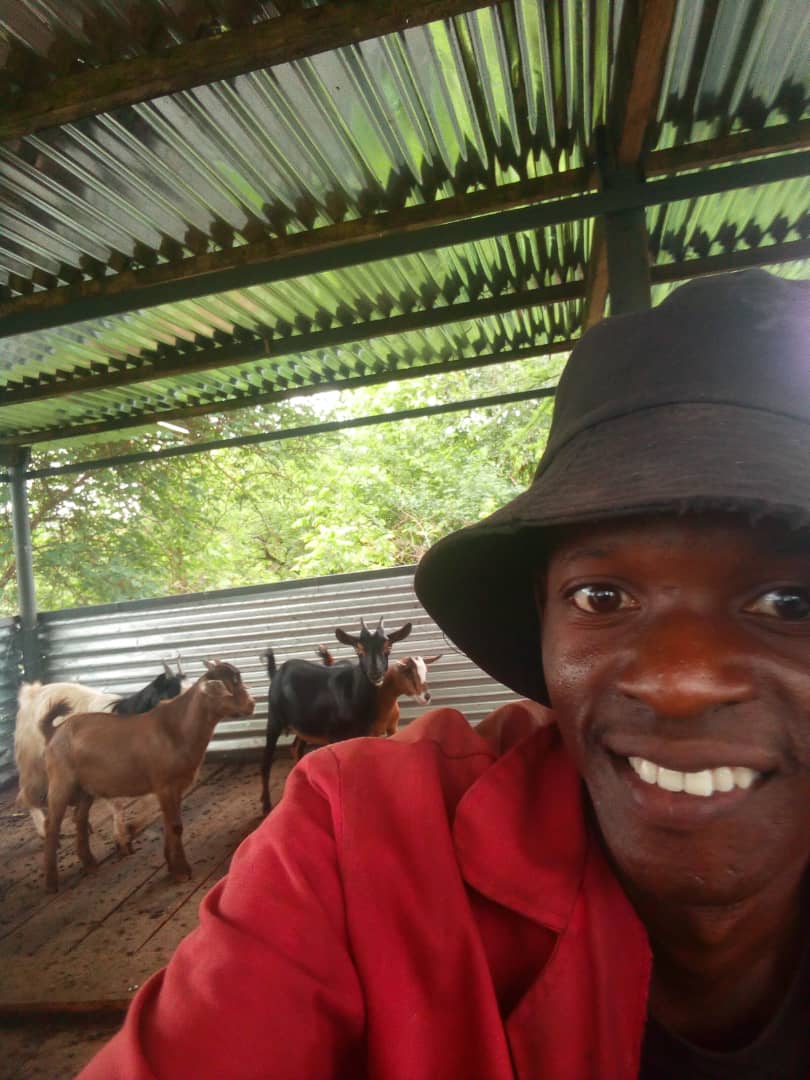
“I have employedlocal workers on my farm, and I train them in modern agricultural techniques. Ialso engage in community development initiatives like free workshops. My visionfor the next 5 to 10 years is to expand the farm to 20 hectares, introduce agri-techinnovations and become a leading agribusiness hub in Zambia.”
He plans to work onnew projects, such as a digital farm management app and organic fertilizerproduction, to enhance efficiency and sustainability.
Musukwa furtheradvised others planning to start farming to plan meticulously, continuelearning and focus on solving real market needs.
“I enjoy thesatisfaction of seeing crops grow and helping others succeed in agriculture.What keeps me motivated despite challenges is the impact I make in farmers'lives and my passion for the land. He shared his favorite quote that inspireshim: “The farmer’s work is the foundation of every nation,” he concluded.

Woodgate House
Suit 208-209
Cairo Road Lusaka Zambia,
Email: agricoopnews@yahoo.com
Cell: 0955 791 676


.png)


.jpeg)