




By Penjani Nzima
Across Africa, agriculture is no longer viewed merely as a means of survival. Increasingly, it is becoming a business driven by markets, structured contracts and international trade opportunities.
From cocoa farms in Ghana and Côte d'Ivoire to horticultureproducers in Kenya, coffee growers in Ethiopia and soybean farmers in Zambia,the continent is witnessing a gradual transformation from subsistenceproduction to market-oriented agriculture.
The future of African agriculture will not be determined solely by how much food is produced, but by how efficiently that food reaches markets, how farmers are integrated into value chains, and how successfully agricultural products compete on regional and international markets.
The Rise of Market-Oriented Agriculture
For decades, African farmers have struggled with limited market access, fluctuating prices and inadequate infrastructure. However, growing urban populations, expanding regional trade agreements and increasing demand for food products are creating new opportunities for agricultural producers.
The launch of the African Continental Free Trade Area (AfCFTA) marked a significant milestone in the continent's agricultural trade journey. The agreement aims to create one of the world's largest free trade areas, opening opportunities for farmers and agribusinesses to trade more freely across African borders. Studies indicate that intra-African agricultural trade remains relatively low compared to other regions, suggesting substantial room for growth as trade barriers continue to decline.
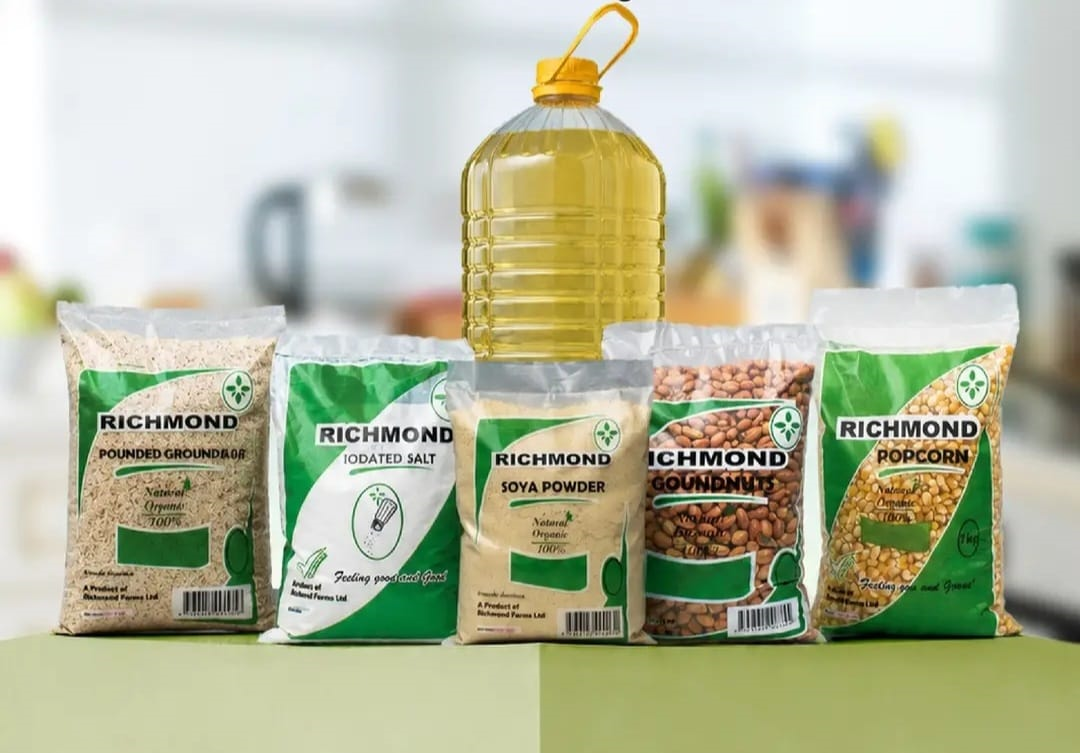
Today, African-produced maize, soybeans, horticultural crops, fruits, coffee, tea, cocoa, cotton, livestock products and processed foods are finding growing markets both within Africa and beyond.
Read full article in the July 2026 issue: https://www.agricoopnews.com/e-publications

Woodgate House
Suit 208-209
Cairo Road Lusaka Zambia,
Email: agricoopnews@yahoo.com
Cell: 0955 791 676


.png)

.jpeg)